Home

Resources
Resources

Understanding DMLT Course Benefits
Explore the advantages of pursuing a DMLT course.
The DMLT (Diploma in Medical Laboratory Technology) course equips students with essential skills for a rewarding career in healthcare. Graduates gain hands-on experience in collecting and analyzing samples, operating lab equipment, and understanding laboratory protocols. By mastering these skills, students can confidently assist medical professionals in diagnosing diseases, ultimately improving patient care. The course also emphasizes the importance of ethical practices and teamwork within a clinical setting, fostering a sense of responsibility and professionalism. Graduating from a DMLT program opens doors to various job opportunities in hospitals, diagnostic centers, and research facilities, making it a vital stepping stone for aspiring healthcare professionals.
The Role of OT Technicians
Learn about the crucial tasks of OT technicians.
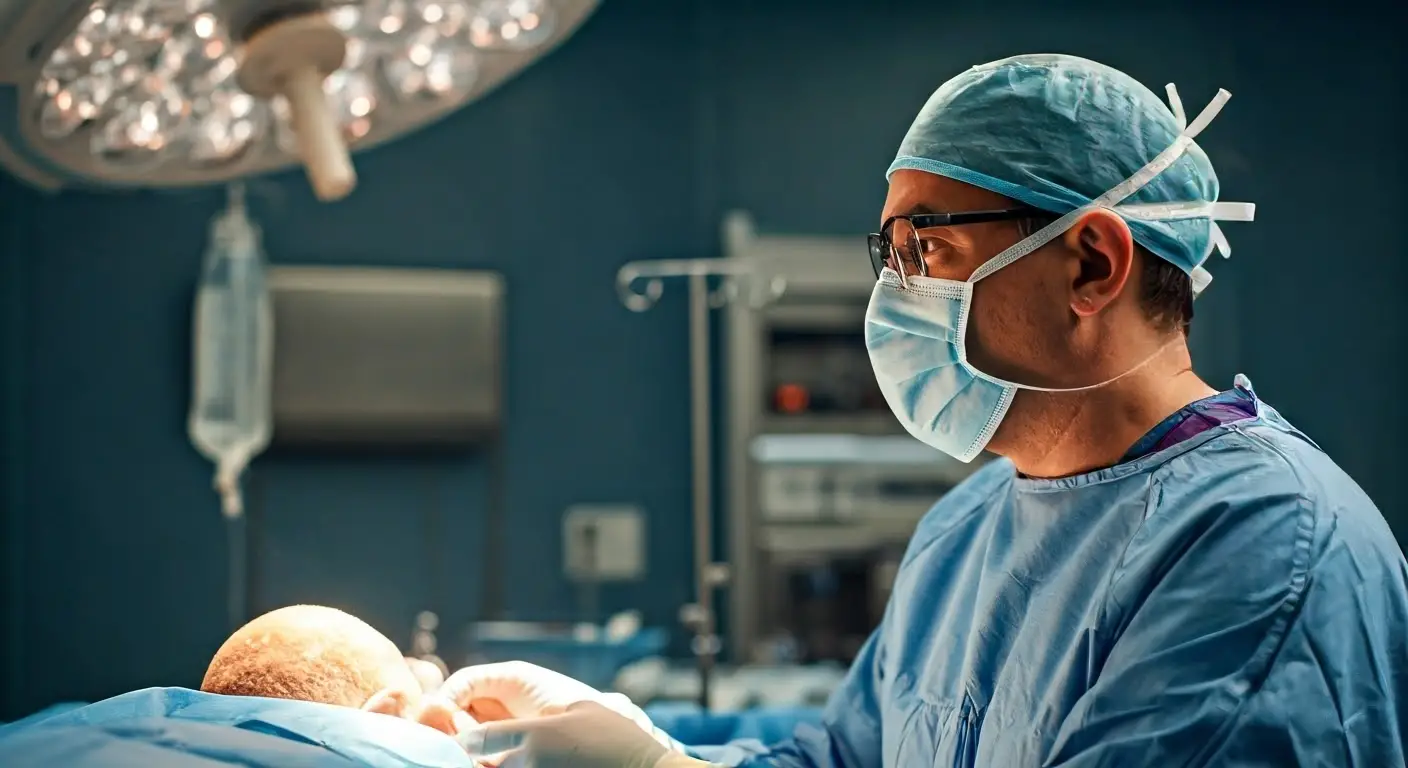
Operation Theatre (OT) technicians play a pivotal role in the surgical team, ensuring that the operating room is prepared and safe for procedures. Their responsibilities include setting up surgical instruments, maintaining equipment, and assisting surgeons during operations. OT technicians are trained to handle emergencies and provide post-operative care to patients, ensuring a smooth recovery process. With the increasing demand for surgeries, the need for skilled OT technicians is on the rise. This career not only offers job security but also the chance to make a significant impact on patient outcomes. Those pursuing this path will find numerous opportunities in hospitals and surgical centers.
Health Inspector Career Pathways
Discover the opportunities in health inspection.
The Health Inspector (DHI) course prepares students for a vital role in public health and safety. Health inspectors ensure compliance with health regulations in food safety, environmental health, and public health standards. Graduates can work in various sectors, including government agencies, private organizations, and hospitals. They are responsible for conducting inspections, investigating health violations, and promoting safety standards to protect communities. As public health concerns grow, the demand for qualified health inspectors continues to increase. This career offers the chance to contribute to community well-being and public safety while enjoying diverse job opportunities.
Key Skills for Medical Professionals
Essential skills needed for healthcare careers.
Pursuing a career in healthcare requires a unique set of skills beyond technical knowledge. Key skills include strong communication for effective patient interaction, critical thinking to analyze complex situations, and teamwork for collaborative care. Additionally, adaptability is crucial in the ever-evolving medical field. Time management helps professionals handle multiple responsibilities efficiently. Empathy and compassion are essential for providing quality patient care, while attention to detail ensures accuracy in tasks like diagnostics and treatment. By developing these skills, students can excel in their healthcare careers and provide exemplary service to their communities.
Frequently Asked Questions
Join Us Today
Fill out the form to get more information about our courses and how we can help you succeed in your career.